

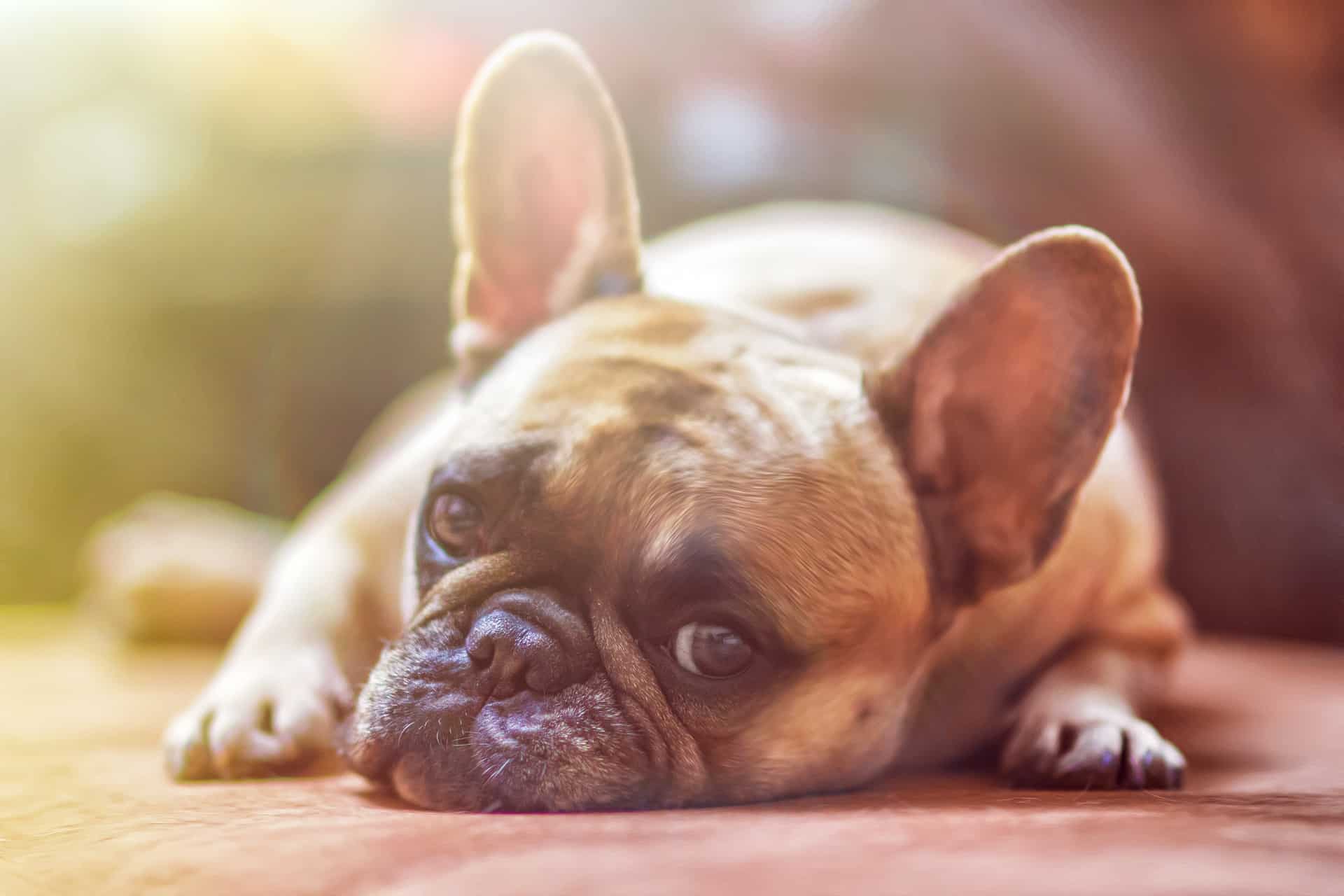
Did you know that dogs suffer from anxiety due to separation? In the wild, dogs are rarely far from their pack, so it is understandable that they feel anxious when left alone, away from their human family. Dogs that have been abandoned and come from the street are protectors, and all who have been separated from the litter before long, or who have spent a lot of time with a person at home, are more likely to suffer from this kind of anxiety. For the welfare of our pets it is important to solve this problem.
What are the main symptoms of separation anxiety in a dog?
The separation anxiety, which is nothing more than the resistance of a dog to be left alone, manifests itself essentially through four symptoms:
- Destructive behaviours. When a dog feels anxiety tries to get rid of it physically, so it will cause damage at home when the pet owners is not present.
- Urine inappropriately. It is common for dogs suffering from separation anxiety to urinate in inappropriate places, especially indoors.
- Excessive vocalization. Separation anxiety is also manifested by barking loudly or howling when the dog is left at home.
- In some cases, separation by anxiety can also cause neuro-vegetative symptoms. Some dogs may vomit, start diarrhoea or salivate excessively.
Tips for dealing with separation anxiety in your dog
Help him release energy
Before you leave the house, walk your dog. If you leave your dog at home after a long walk, he will certainly have released much of the accumulated energy. Remember that a walk not only helps them spend energy but also serves as a mind-stimulator, which also helps dispel anxiety!
Stay calm.
Go out, walk and come home quietly. Dogs can read human emotions, so if you’re too effusive or nervous before you leave the house, it will increase their anxiety. On the contrary, keeping your emotions controlled at these key moments will convey to your dog that you should not fear separation.
Socialization
Socialize your dog. In most cases, separation anxiety is the result of a hyper-link and over-dependence of the dog in relation to one or more family members. A good socialization with other people, even with strangers, will help eliminate this connection so strongly that it harms the dog. For this reason, use every opportunity to socialize your dog by putting it in touch with other people and animals.
Give him time to be alone
Get used to it being alone, with gradual exits, and with varying times away from it. If you want to put an end to separation anxiety, you should get used to your dog spending time alone with other dogs and other people. Initially the separations should be short, about five minutes, but should gradually increase the time, until you can leave it alone, if necessary, for hours. Of course, you should always make sure he has food, water, and toys to keep him entertained.
Natural medicine
Consider the use of natural medication.
Many veterinarians believe that anti-anxiety medication should be the last choice, since many of these medicines can cause undesirable side effects such as lethargy, behavioral changes (irritability or aggressiveness), gastrointestinal changes, insomnia or excessive arfar.
But did you know that there are natural methods, or alternatives less aggressive than traditional medicines? Recently, regular Anibidiol consumption, known as CBD, has been increasing with frankly good results.
Numerous studies show that CBD is quite beneficial for animal health, particularly to treat dir, neurological problems and, obviously, anxiety.
If you want to know more about CBD and its use in treating anxiety in your dog, make an appointment, contact us via email, or call us at 215813418 (Lisbon) or 218079455 (Corroios)
Finally, if your dog suffers from separation anxiety, give him as much comfort as possible, whenever you leave home and remember the tips we left him.
PetDoctors Veterinaries – Taking care of your pet, like it’s ours!